Midwest
-
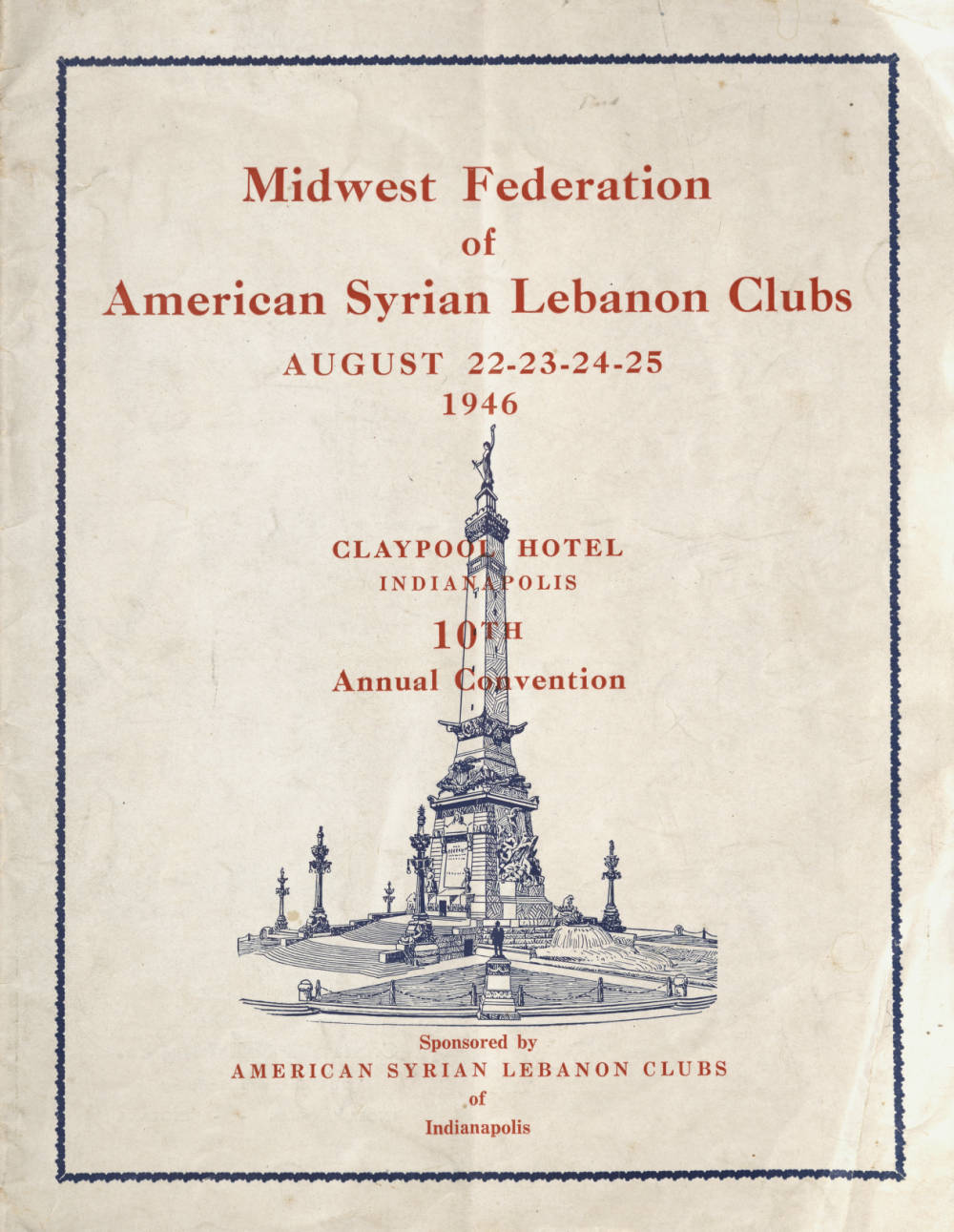
November 24, 2025 — The IU Indianapolis University Library has published an online, fully digital open-access archive of the Midwest Federation of American Syrian Lebanese Clubs (MFASLC). Containing over one thousand items ranging from annual convention programs and legal documents to photographs and correspondence among Arab American leaders, the archive is a unique addition to…
-
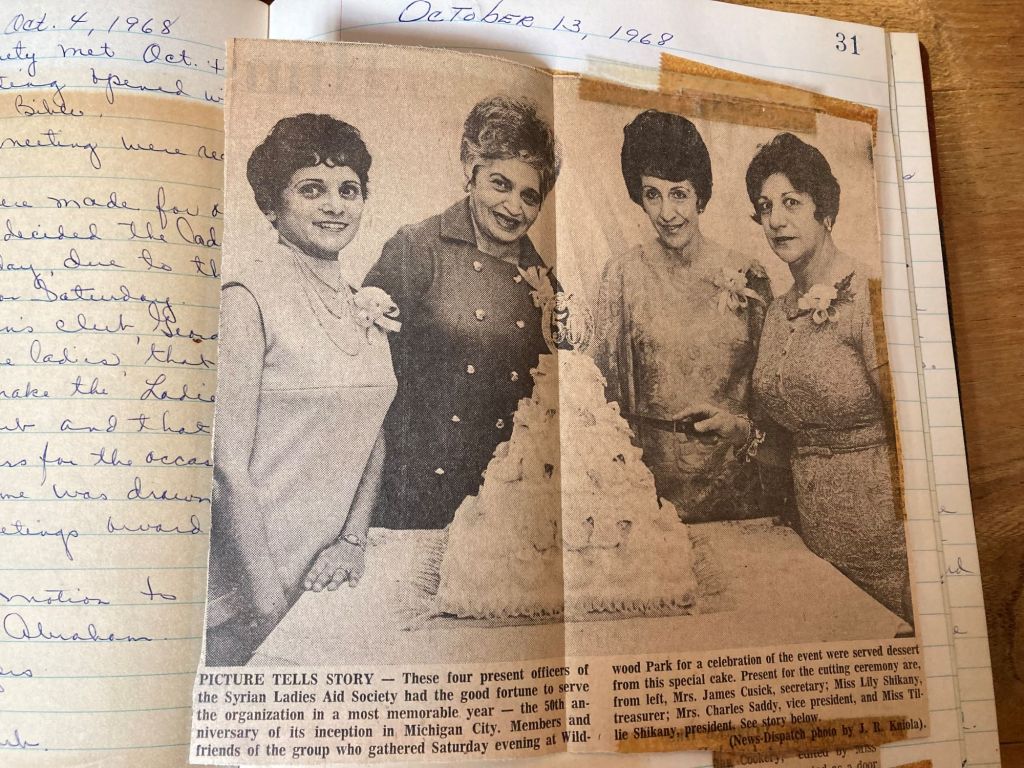
Originally appeared in Traces, Fall 2024, 48-54. Want to know more? You can research the Syrian Ladies Aid Society collection at the IU Indianapolis Library. Established in 1918 in Michigan City, Indiana, the Syrian Ladies Aid Society (SLAS) was a self-defined charitable organization that rendered mutual aid and supported the life of Syrian-Lebanese Christian communities…
-
The Muslims of the Heartland audiobook, narrated by yours truly, is now available on Apple Books, Audible, Amazon, and other places. The audio is produced by Kent Vernon, the same sound engineer that worked on Arab Indianapolis: A Hidden History. The book tells the story of several Arabic-speaking Muslim families who settled in the Midwest before World War I and…
-
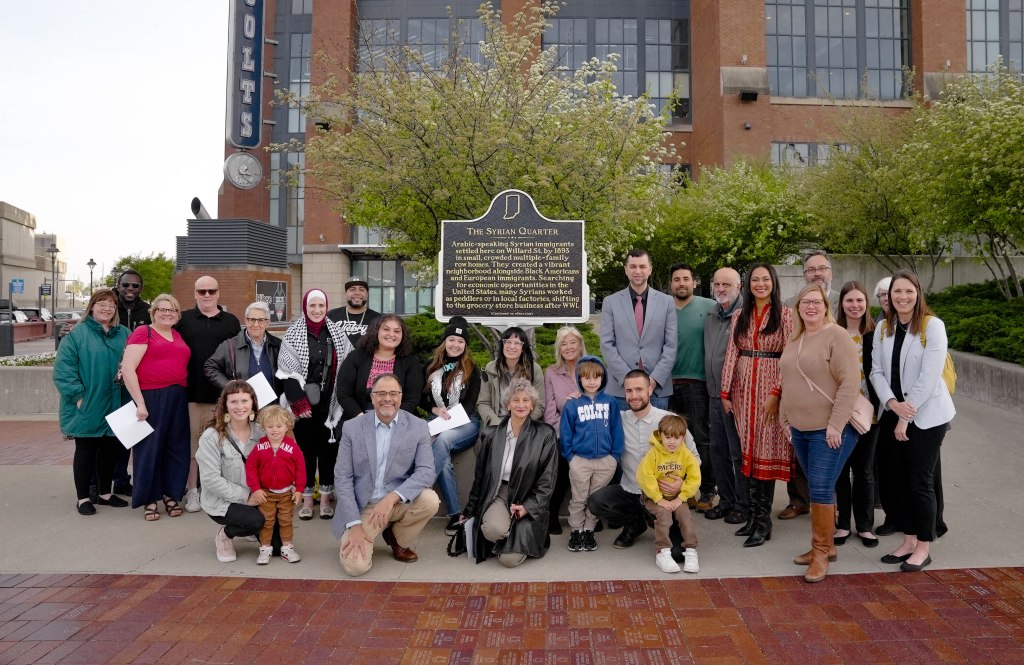
On April 25, 2024, supporters of the Arab Indianapolis project were proud to dedicate the Syrian Quarter marker at Lucas Oil Stadium, where Syrian immigrants developed the first Arabic-speaking neighborhood in Indianapolis. Speakers included Maria Nimri, St. George Church member; Josh Chitwood, filmmaker of When We Were Syrian and descendant of a Syrian Quarter family;…
-
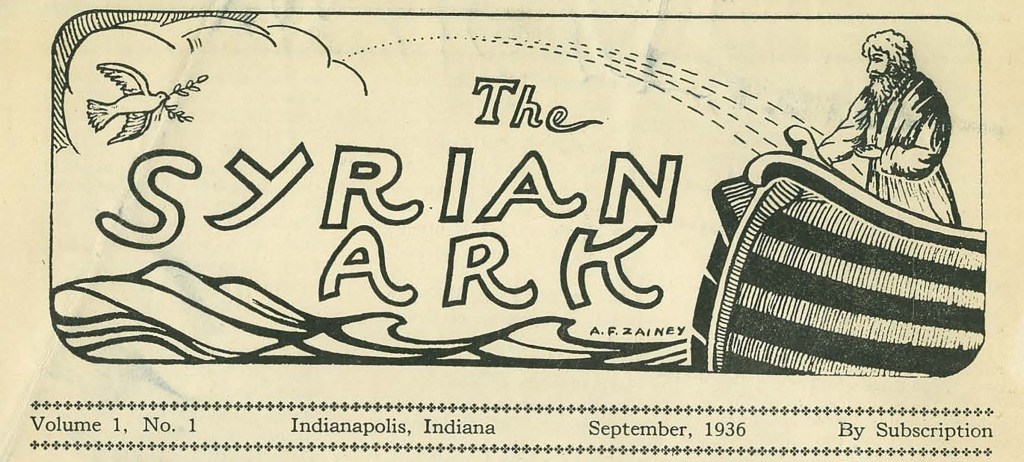
This article, published by the Indiana Magazine of History and also available on Project Muse, is the first to document the historical significance of the Indianapolis-based Syrian Ark, the official newspaper of the Midwest Federation of Syrian American Clubs from 1936 to 1954. Extant copies of the periodical provide a detailed record of Arab, Syrian,…
-
In the summer of 1936, Arab American Muslims from across the Midwest arrived in Cedar Rapids, Iowa, to celebrate the first anniversary of the Rose of Fraternity mosque, also known as the Moslem Temple. It was a joyous affair. Local community members Elaine Graham, Lucille Mann, and Margaret Hamad sang, “To a Wild Rose.” Participants…
-
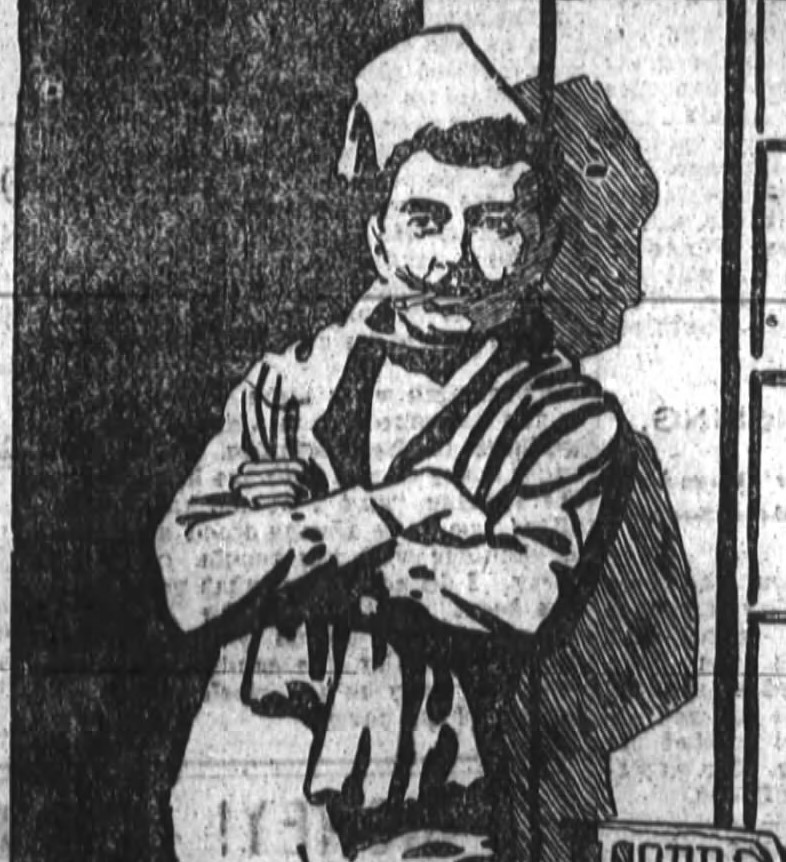
Originally published in Traces of Indiana and Midwestern History (Indiana Historical Society), Spring 2023: 5-13. By 1900 there were vibrant Arabic-speaking communities across Indiana, including in Indianapolis, Terre Haute, and Michigan City. But Fort Wayne was special, at least according to its Syrian residents. Alixa Naff, who developed the Smithsonian Institution’s collection on Arab American…
-

I decided not to attend the 2023 awards ceremony for the Great Lakes Chapter of the National Academy of Television Arts & Sciences because I had already committed to teach at an NEH institute just two days after, and I promised myself I would no longer do back-to-back business trips. So, I stayed at home…
-
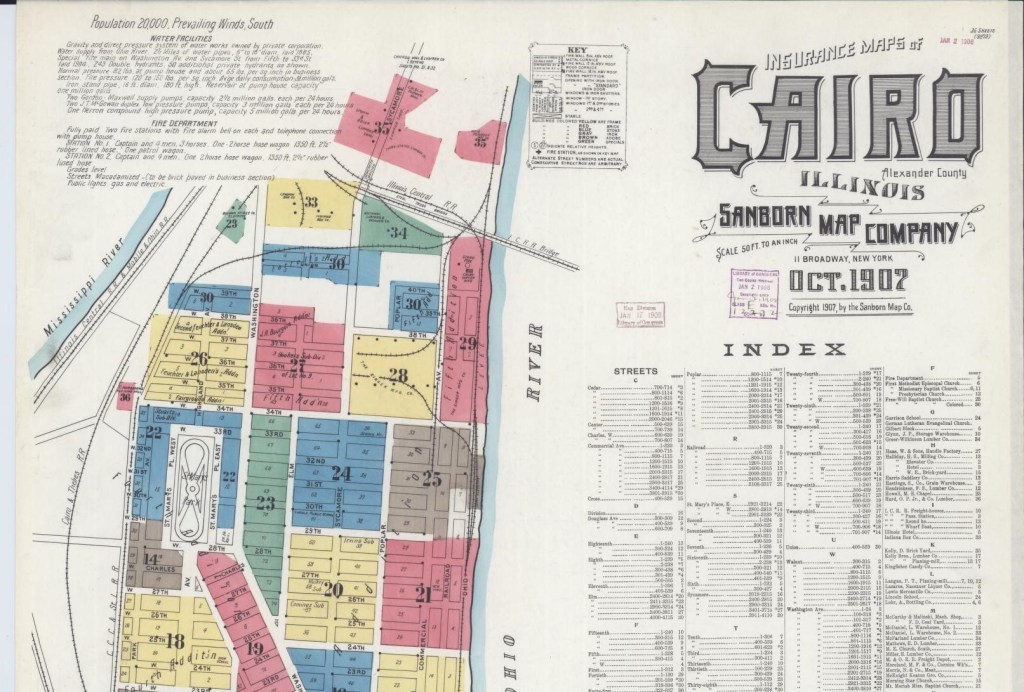
Originally from Belt Magazine: April 24, 2023 By Edward Curtis IV Around 1899, my great, great-grandfather, a man named Hanna Samaha, left his beautifully green three-thousand-foot-high village located in contemporary Lebanon where, on a clear day, you could see the shores of the Eastern Mediterranean. He landed at the confluence of the Ohio and Mississippi…
-
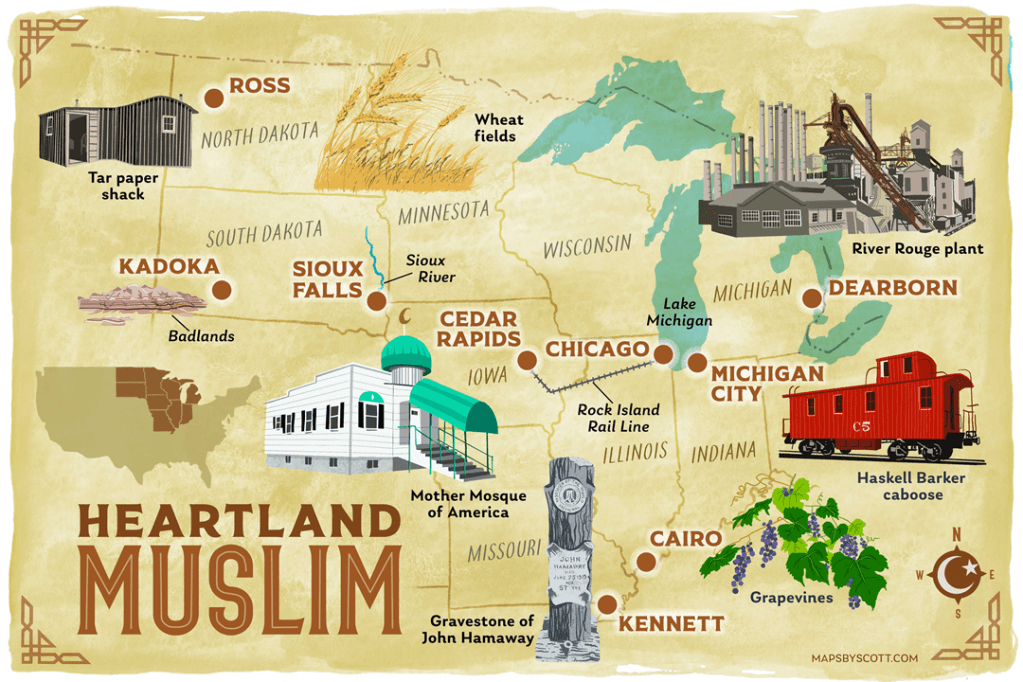
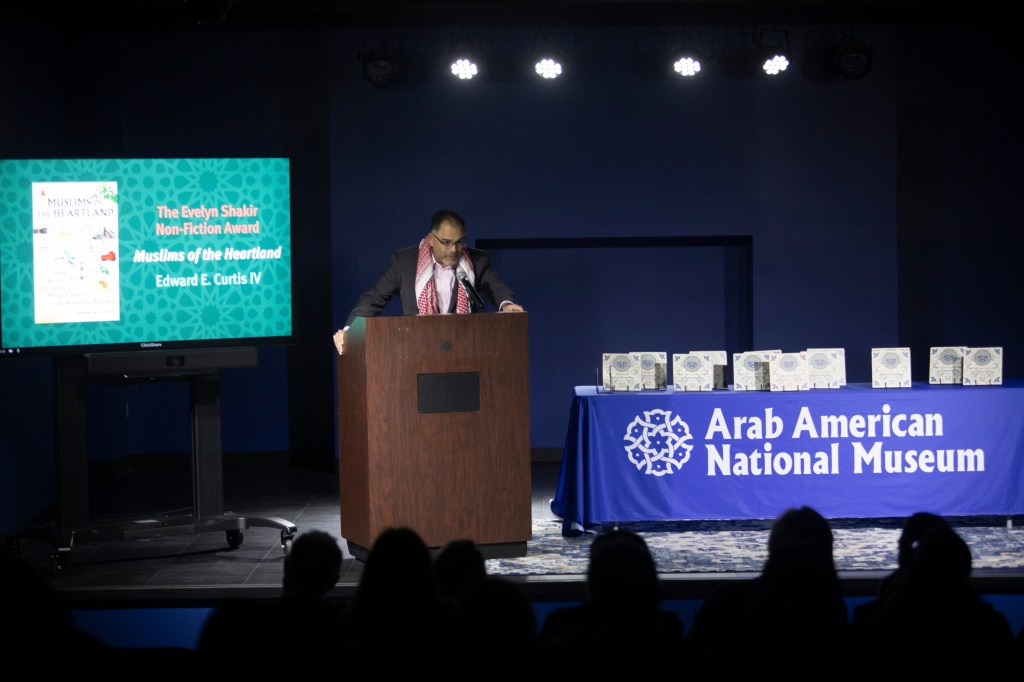
While I was still writing Muslims of the Heartland: How Syrian Immigrants Made a Home in the American Midwest (NYU Press, 2022), I became determined to take the book back to the places where its stories unfolded from the 1890s to the 1940s. At first, I thought that perhaps I should do one big road…
 Edward E. Curtis IV